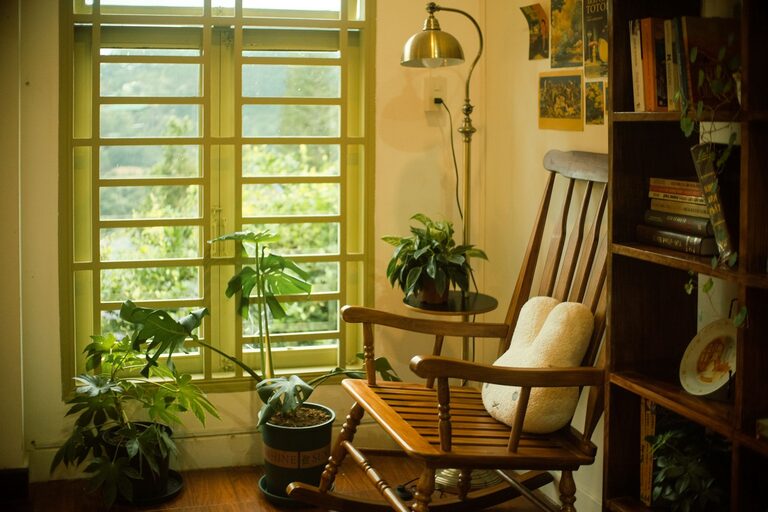

Bringing houseplants into your home is a wonderful way to add greenery, improve air quality, and create a calming atmosphere. However, keeping them healthy requires some attention and care. Whether you are a beginner or have a collection of indoor plants, these essential tips will help you ensure your houseplants stay vibrant and thrive.
Understanding Your Houseplants' Needs
Different plants have different requirements, so the first step to healthy houseplants is knowing what your specific plants need.
Light Requirements
Plants vary widely in their light preferences. Some thrive in bright, direct sunlight, while others prefer low or indirect light.
– Bright light plants: Succulents, cacti, and many flowering plants need several hours of direct sunlight each day.
– Medium light plants: Many foliage plants like pothos, spider plants, and peace lilies do well in bright but indirect light.
– Low light plants: Snake plants and ZZ plants can tolerate lower light levels but won’t thrive in complete darkness.
Place your plants accordingly, and consider rotating them occasionally so all sides receive light evenly.
Watering Wisely
Proper watering is critical, and overwatering is one of the most common mistakes.
– Check soil moisture before watering. Stick your finger an inch into the soil—if it feels dry, it’s time to water.
– Use room temperature water to avoid shocking the roots.
– Water thoroughly so that excess drains out, preventing stagnant water in pots.
– Adjust watering frequency based on season and plant type—most plants need less water in winter.
Humidity and Air Circulation
Indoor environments can sometimes be dry, especially in winter or in air-conditioned spaces.
– Increase humidity for tropical plants by misting them, using a humidity tray filled with water and pebbles, or placing a humidifier nearby.
– Ensure good air circulation to prevent mold and pests but avoid placing plants in drafty areas.
Choosing the Right Soil and Pots
Soil Mix Matters
Use potting mix appropriate for your plants:
– Succulents and cacti need well-draining sandy soil.
– Tropical and foliage plants prefer richer, moisture-retentive mixes.
– Avoid garden soil as it often compacts and drains poorly indoors.
Pot Selection
– Choose pots with drainage holes to prevent water accumulation and root rot.
– Consider pot size—too large can hold excess moisture; too small may restrict root growth.
– Repot every 1-2 years to refresh soil and give growing roots more space.
Feeding Your Plants
Houseplants benefit from regular feeding, especially during their growth periods in spring and summer.
– Use a balanced, water-soluble fertilizer formulated for houseplants.
– Follow package instructions carefully to avoid overfeeding, which can harm plants.
– Reduce or stop fertilizing in dormant seasons like fall and winter.
Monitoring and Managing Pests
Indoor plants can occasionally attract pests such as spider mites, aphids, or scale insects.
– Inspect plants regularly, especially the undersides of leaves.
– Remove pests by wiping leaves with a damp cloth or using insecticidal soap.
– Quarantine new plants before introducing them to your collection to prevent infestations.
Maintaining Cleanliness and Plant Health
– Clean leaves occasionally to remove dust, which can block light and reduce photosynthesis.
– Prune dead or yellowing leaves to encourage new growth and keep plants tidy.
– Support climbing or vining plants with stakes or trellises as needed.
Seasonal Care Tips
– Adjust watering and feeding routines as seasons change.
– Move plants that require more light closer to windows during winter.
– Be mindful of temperature fluctuations near doors or heating vents.
Troubleshooting Common Issues
| Problem | Cause | Solution |
|———————–|—————————–|———————————–|
| Yellowing leaves | Overwatering or nutrient deficiency | Check watering habits; fertilize as needed |
| Wilting leaves | Underwatering or root issues | Increase watering; inspect roots |
| Brown leaf tips | Low humidity or salt buildup | Increase humidity; flush soil |
| Leggy growth | Insufficient light | Move plant to a brighter spot |
Enjoying the Benefits of Healthy Houseplants
Healthy houseplants not only beautify your indoor space but also contribute to better air quality and emotional well-being. With a little care and attention, your green companions will flourish and bring lasting joy.
—
By understanding your houseplants’ specific needs and following these practical care tips, you can create a thriving indoor garden that brightens your home year-round. Remember, patience and observation are key—often plants will tell you what they need if you take the time to listen. Happy gardening!
About the Author